Online Services

Category: Ideas Blog

  • What Shakespeare Can Teach You About Inbound Marketing

    What Shakespeare Can Teach You About Inbound Marketing

    There’s no escaping William Shakespeare’s influence on modern culture. His plays and sonnets are taught and performed around the world. And his knack for turning a good phrase has influenced the way we think and speak for centuries.

    Inbound marketers can learn a great deal from the legendary playwright. This post will discuss what Shakespeare can teach you about inbound marketing….

    Shakespeare As The Inventor Of Words

    While some etymologists may question if Shakespeare really did coin all of his neologisms, few dispute that he was the first to write them down. And that is certainly worth taking note of as a marketer. Shakespeare was the master of ‘painting with words’, so why not do some yourself?

    Marketers should be brave and indulge in wordplay themselves, embracing the world of allusion and metaphor. No dull cliches and hackneyed phrases please.

    Why?

    An unusual phrase or combination of words is much more likely to stand out in today’s content mulch. Especially on social media, a little witty word play goes a long way. Another place to try out something new? Email subject lines — a place where a few small words yield a lot of power.

    Innocent are now synonymous with a quirky and irreverent copywriting style that they seem to have all but invented a few years back. Their copy was all about squishy bananas, space monkeys and mangoes called Alphonso — the height of twee brand storytelling. Innocent’s success is a great testament to how your inventiveness with words can be a great brand differentiator and sales driver.

    Image credit: Compliment generator

    Before you could say “sneezing piglet”, there were a dozen copycat copywriters out there trying to cash in on the success of this eccentric and highly-stylized way of writing.

    Their way with words across made them stand out in a sea of samey language and marketing, and the spell of Innocent is still going strong. Their unusual approach to words and language made them famous, so why not innovate when it comes to how your brand uses words too?

    Brands now also have the potential to actually become part of language. Netflix and Uber are some of the brands that have been adopted into common parlance. Again, a strong brand concept and compelling name can help you achieve household status.

    Don’t dismiss the power of words to elevate your brand and make you memorable — excellent and inventive copywriting has its place in the inbound marketing funnel.

    Shakespeare And Genre-Busting

    All of Shakespeare’s plays take you on an emotional rollercoaster. Before the bard, a tragedy was a tragedy and a comedy stuck to gags and goofs. Shakespeare sought to cross-pollinate when it came to genres and mixed high tragedy with low comedy. Gags and ghouls existed side by side, and many snobs of the day were aghast.

    This is a great lessons for marketers — don’t get stuck into a ‘channel specific’ or even ‘audience segmentation’ rut. Don’t let your marketing messages sound like cheap caricatures, but explore the depth and breadth of human experience instead.

    This is also about finding opportunity everywhere — making sure that transactional emails convert and that customer service chats have in-built up-sells. Shakespeare always had time to make the most of what he was working with, and today, he would have been out there exploring chatbots, AI, and AR….

    Chatbots offer a huge opportunity for marketers — and you don’t have to stick to just ‘marketing’ through them. They can be used to play games, send personalized videos, set event reminders — there are endless (largely unexplored) use cases for chatbots. As they are only just about making it into mainstream marketing, chatbots are the perfect medium for the pioneer content strategist or inbound marketer.

    This case study by Bot Academy shows how chatbots can be programmed into a sequence that encourages users to sign up to an event:

    By encouraging real dialogue with the user, chatbots are blurring the lines between marketing and conversation.

    As part of an inbound strategy, chatbot adopters will have to work hard in order not to interrupt the user’s day with endless marketing messages. Instead, focus on becoming part of their lives with genuinely useful reminders and sought-after offers and deals.

    “Brevity Is The Soul Of Wit”

    This quote from Hamlet beautifully demonstrates how Shakespeare used ambiguity in his work to let audiences come up with their own meaning. In most instances, a good joke will ‘land’ because the comedian allows you to create some of your own meaning.

    Othello is a very jealous, alpha male character. However, he also displays his vulnerability in many scenes. This helps audiences connect with his storyline over the course of the play, and shows up the inherent contradictions present in gender and masculinity.

    When crafting inbound marketing messages and sales funnels, embrace the power of ambiguity as well. Don’t tell people what to think, but ask probing questions and draw real-world parallels instead. The idea is to get people into a reflective mood.

    Image credit: Bench accounting

    Bench Accounting like to share plenty of useful small business content, but they also know when a witty choice of words is better than talking about tax. They display their company culture and prowess for numbers in funny, thoughtful Instagram posts. It’s a great way to break up the monotony on social media and bring narratives into your brand story. Showcase the full range of experiences and emotions that go into running your business.

    Shakespeare Took Creative Shortcuts… And So Should You

    We’ll leave it others to debate whether Shakespeare really did write all of his plays single-handedly. What is certain however, is that he borrowed from and re-wrote other people’s work.

    Of course — be mindful of copyright — but don’t be afraid to recycle common stories, narratives, and plots, and frame them within your own marketing stories. Why not bring some of that old fairy tale mystery into your content in order to make your content seem more relatable? These stories have stood the test of time for a reason. Hey, if it’s good enough for Shakespeare…. (also, older books and stories are often non-copyrighted as the copyrights tend to lapse after 150 years or so).

    You can also thank Shakespeare for demonstrating how effective ‘revamping an old classic’ can be in order to boost sales figures. Take the historical tale of Julius Caesar: the ‘plot’ was already written, so Shakespeare was able to concentrate on creating great characters and adding more ‘drama’ to the story. In this same way, marketers can audit their old blog posts, and then reword and retarget the content to suit a different audience.

    Rebelgirls.co had viral success with their “Good Night Stories For Rebel Girls”, proving that there is still plenty of mileage when it comes to re-inventing old stories. Visiting good night stories from a 2017 viewpoint made for a highly creative cultural mashup.

    Repurposing common motifs and narratives can help make your content more shareable and viral, but make sure that you aren’t guilty of empty ‘story jacking’. Test things out with a social media or content campaign to gauge audience reaction. Strong visuals will help you build that creative ‘bridge’.

    Universality (Or Why No One Has Heard Of Ben Jonson)

    Ever heard of Ben Jonson? Not many have. He was a contemporary of our boy Billy, but unfortunately he is less well known. Some believe that the reason for this is because his plays, compared with Shakespeare’s, didn’t stand the test of time. Jonson was obsessed with 17th century culture and littered his plays with in-jokes and political references that mean nothing to us now. His plays are witty — but dense, and you need a 100 page glossary to wade through them today.

    For marketers, creating evergreen content should be the takeaway lesson. If you can use analytics and monitoring to latch onto your audience’s key concerns and hesitations in life, you can then create content that will be timeless and relevant to your brand in all contexts. Don’t shoot yourself in the foot like old Ben and get stuck in a rut and cycle of ‘trend’ posts that are outdated the minute you publish them. Focus on core inbound messages instead.

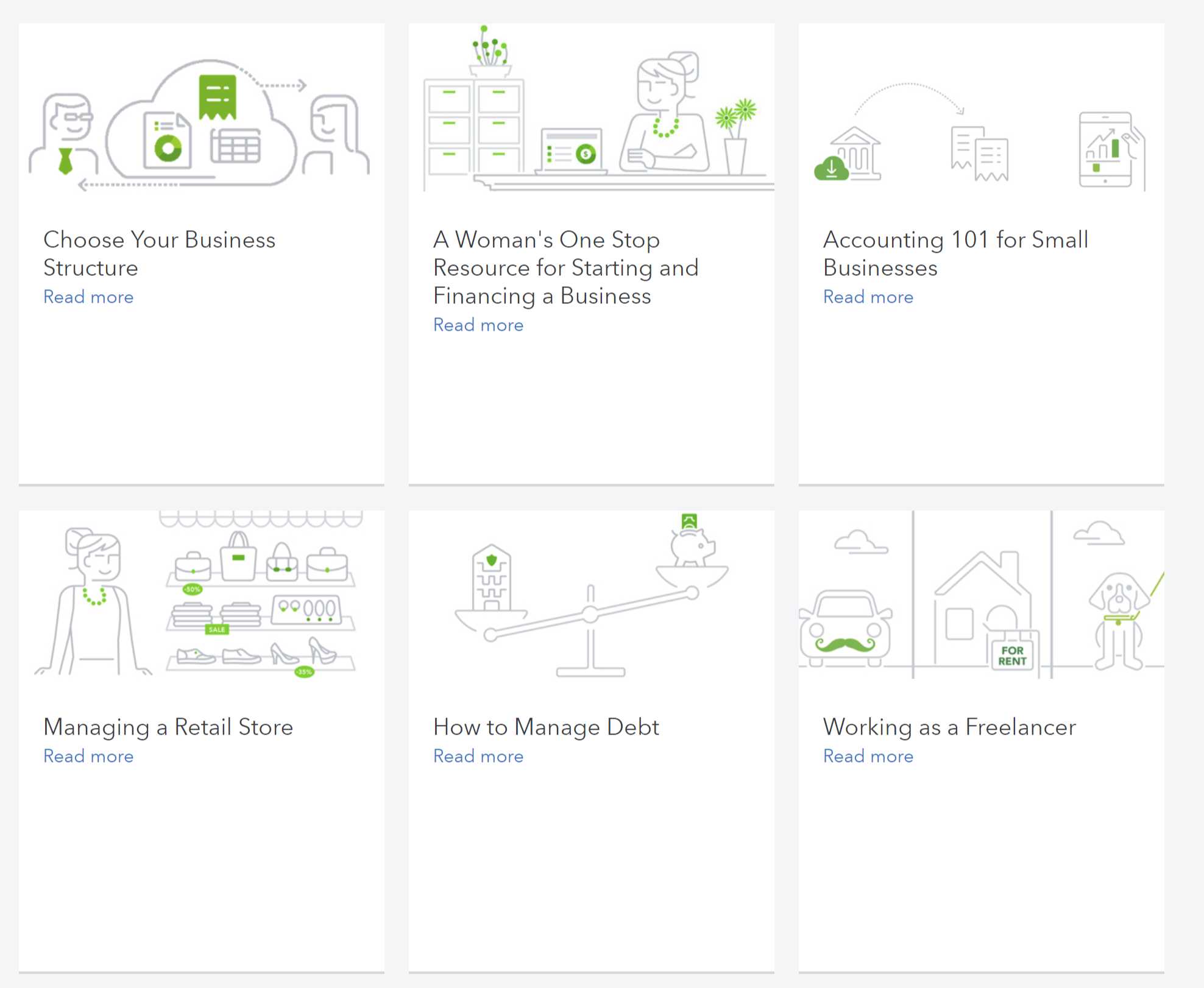
    Quickbooks know how to break down complex business concepts into easy-to-read guides that are a million miles away from clickbait. Focusing on offering value by covering business topics in a concise way helps these guides rank and perform well on the Quickbooks website.

    It’s a testament to how building an evergreen content resource can help solidify brand reputation (and pull in relevant search traffic). Use keyword research and data tools to get an idea of the topics and themes that your audience will find perennially interesting, and invest your content budget into pulling together some useful resources that will stand the test of time.

    Who knew Shakespeare was so relatable? He’s not called modern for no reason! Apply these key principles to your work as an inbound marketer, and you can ‘bedazzle’ (a neologism from Taming of The Shrew) your audiences for years to come.

  • 5 Tools Every SEO Agency Needs for Client Reports

    5 Tools Every SEO Agency Needs for Client Reports

    SEO Client Reporting Tools

    A good SEO agency knows their clients. They know what their clients know and don’t know, what KPIs are important to them, and how they like to receive information.

    Some just want monthly traffic reports or keyword ranking updates. Others want every nitty-gritty detail like the amount of impressions for long-tail keywords from Namibia on Wednesdays.

    The point is that different clients want different types of KPIs for agencies concerning their SEO performance.

    How agencies relay that information depends on the reporting tools they’re using.

    These tools should supply diverse solutions so that there are no grey areas with the amount of information they report to their clients.

    Most importantly, reporting tools should save time for both the clients and agents.

    Here are 5 SEO reporting tools that agencies should use to keep their clients happy and informed.

    1. Google’s Data Studio

    Google’s Data Studio is every marketing agent’s best friend. It’s a jack-of-all-trades analytical platform for those agents who are masters of none.

    The tool allows users to compile data from a variety of source connectors like:

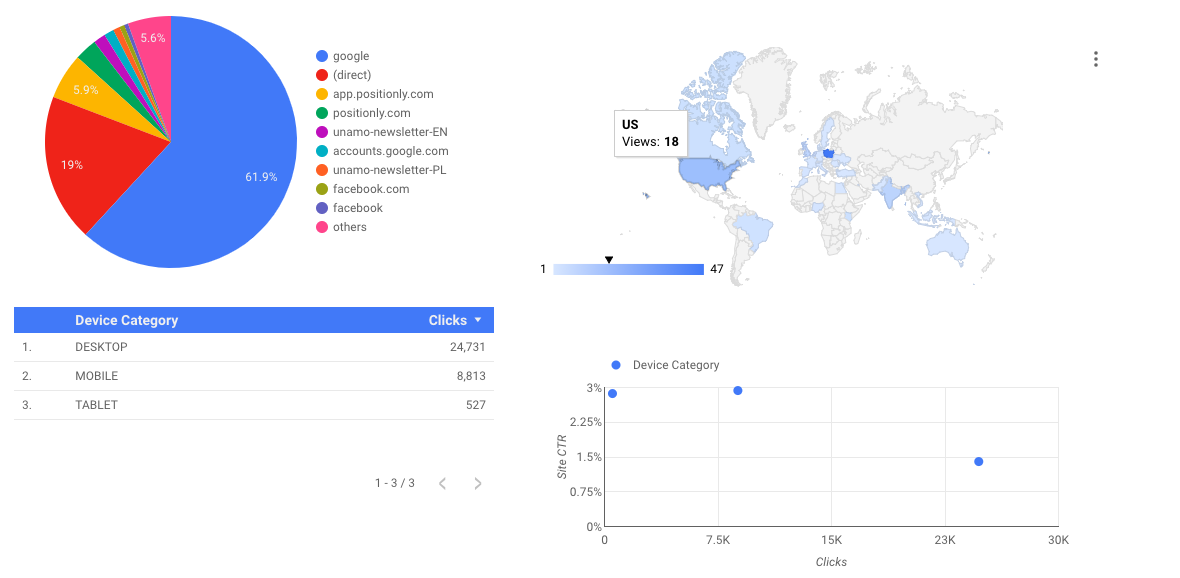
    The community connectors allow users to integrate social media data along with other analytical dashboards for a beautiful analytical visualization that can be sent as a report to any client via an accessible URL.

    What makes this reporting tool so valuable is that it’s:

    • Free
    • Fully interactive
    • Able to be integrated with outside APIs so you can include almost any data you want
    • Able to sent to anyone at any time

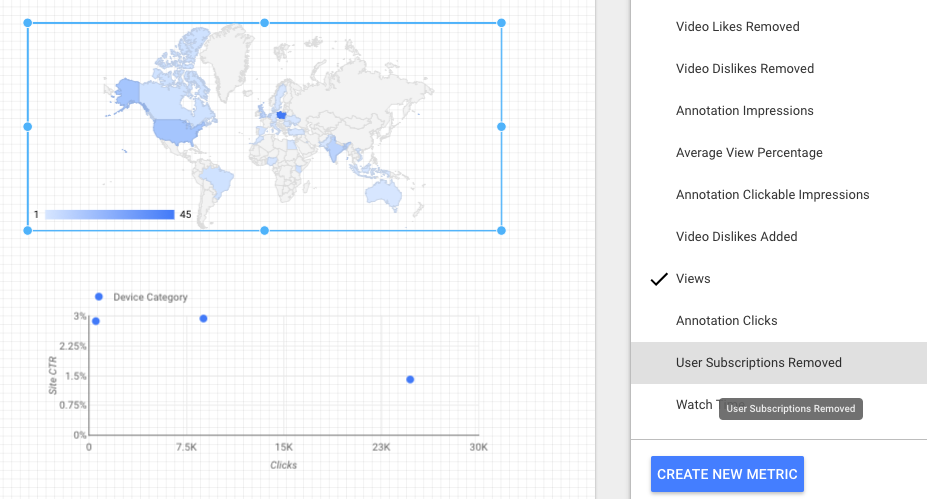
    We all know some clients can be extremely picky about what kind of data they want updates on. Google’s data studio allows agencies to mix and match what type of data charts are displayed along with different metrics.

    Just integrate each property or profile you need and the data is easily sorted once you choose a visual aid.

    I find it extremely useful when I need to align reports with data from different sources.

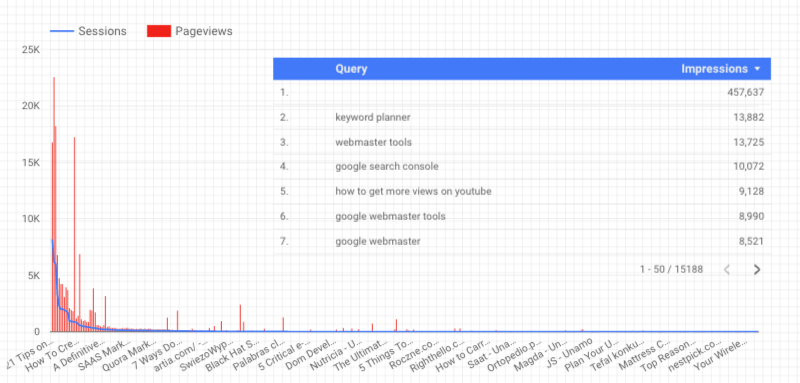
    For example, visualizing the relationship between Google Analytics’ pageview counts against the Search Analytics queries report from Search Console is easily done with a few clicks.

    With many reporting tools costing a fortune to do much less, Google’s Data Studio gives marketing agencies the ability to report a diverse amount of data to clients with ease.

    It’s like a full kitchen stocked with ingredients and utensils waiting for reporting magic to be made!

    2. SERP Screenshots

    Helicopter clients. Every agency has them.

    There are clients that want to see just a general overview of clicks, sessions, or traffic. Then there are the clients that want to see their keyword rankings as they appear on the SERP.

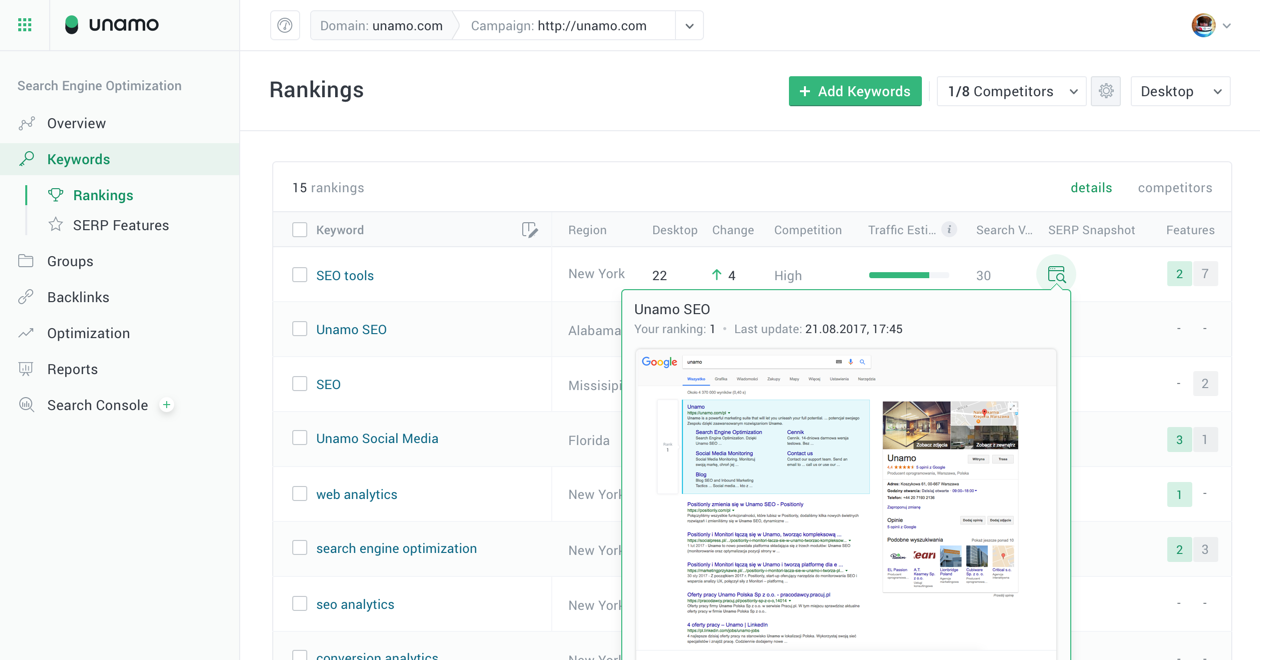
    Unamo SEO’s SERP Screenshots are fully interactive html pages that SEO agents can send to clients for concrete proof of their rankings.

    They can also see the rankings for every URL that appears on the page associated with their domain.

    Clients are often weary of rank tracking tools that don’t provide accurate daily rankings. This takes all of the anxiety out of the equation by providing realtime proof that the rankings are fetched daily and are accurate.

    What’s more is that screenshots are downloadable so agents can send them to clients and add them to reports easily.

    SERP Screenshots are the perfect solution for the clients that require detailed reports and insights they can interact with.

    3. Cyfe

    Like Google’s Data Studio, Cyfe integrates data from sources into a dashboard that can be shared with a link for client viewing purposes.

    It differs in that it has more integrations that don’t require developers connecting APIs. However, the way you can interact with different metrics is much more limited.

    But for clients that just want the most important metrics from different digital sources at a glance, Cyfe is perfect as a marketing reporting software.

    The dashboard software integrates with a few SEO tools and most social media platforms. You can configure 5 widgets from any source they integrate with for free.

    Users can toggle between different metrics within each widget, allowing them to give clients the most important metrics at a glance.

    The value is that it’s easy to setup, can be configured for what the client deems is most important, and is easily shared.

    4. Keyword and Traffic Reports

    The bread and butter for every SEO agency comes in the form of keyword and traffic reports.

    Almost every SEO tool comes with it’s own in-house reporting mechanism. How dynamic they are varies from platform to platform, but each SEO solution at the very least should provide clients with reports on:

    • Daily rankings and their averages
    • SERP Links
    • Traffic Reports
    • Local SEO reporting
    • Competitor rankings

    Depending on how frequently clients want to be updated, these reports can be automated to send at whatever intervals an agency chooses.

    As some clients’ SEO knowledge can vary widely, it’s important to have the flexibility with reports to send information that clients can understand and value.

    5. Technical SEO Reports

    If you’ve got some SEO savvy clients that want an all-encompassing look at their website from top to bottom, then you can supply them with technical SEO reports so they can visualize where their site needs to improve from a technical standpoint.

    Many technical SEO tools will provide a singular page crawl that will give an in-depth look at a website’s technical SEO performance.

    Some technical tools I would run home to mom about include:

    • ScreamingFrog
    • SEOmatOr
    • Deepcrawl
    • SEOptimer

    Each tool is a paid option, but they all provide easily sendable reports that give in-depth insights on an entire website.

    Most clients who hire SEO agencies will require that the agency be the one to fix any technical issues found in the report. However, a top-to-bottom report to understand the severity of some issues is of interest to clients that know SEO and can be used to benchmark future success.

    Conclusion

    The tools an agency chooses to use should reflect what kind of reports their clients want.

    Know your clients, agencies!

    Then choose a toolset that checks as many boxes as possible on the data clients want to be updated with regularly.

    These reports are the foundation of every marketing agencies relationship with their clients; they can make or break any relationship depending on how that information gets relayed.

  • 8 Hotel Social Media Marketing Strategies and Tips

    8 Hotel Social Media Marketing Strategies and Tips

    When a traveler goes online to book a hotel, do they go to your website? Or do they visit sites like Booking.com or Airbnb?

    How do you position your hotel and website as desirable destinations?

    Well, the only way a guest visits your site directly is when they recognize your brand. And unless you’re the Marriott, the Hilton, or the Ritz, you’ve got work to do.

    The best way to make yourself known is to create an online presence. It’s about putting the right content in the right place through hotel social media strategies and content marketing.

    Still, it’s not enough to have beautiful Instagram or Facebook profiles. You need to make your hotel a desirable destination across all channels.

    That’s why this article will show you:

    • Which social media networks are the best for hotel social media strategies.
    • How to make the best content for hotel social media marketing strategies.
    • How to use social media management as a hotel to your advantage.

    The Best Hotel Social Media Strategies Begin With the Right Networks

    To start, it’s best to point out that every hotel is different and there is no one-size-fits-all hotel social media strategy.

    You may run a boutique hotel or a Bed and Breakfast in a trendy vacation spot. On the other hand, you may only cater to business clientele. Perhaps, you want to cater to a mix of guests year round.

    It’s important to remember that most travelers don’t start making travel preparations by booking a hotel. First, they imagine themselves in various destinations.

    Do I want to go to Brazil or Bora Bora for my honeymoon? Do I want to take the kids to the beach or to the mountains?

    Destination shopping starts with dreaming. Plus, there are three other travel industry micro-moments you need to understand as a hotel. There are the planning and booking stages, when travelers make their dreams reality.

    Finally, there’s the days of anticipation leading up to the trip. Now, while those moments don’t sound like they have anything to do with hotel social media strategy – they do. The majority of travelers expect hospitality providers to engage with them before and during their trip to enhance their experience.

    So, for any hotel that considers itself a vacation destination, it’s important to create content that reaches guests at every “micro-moment” of the journey.

    At the same time, you may want to reach those who know where they’re going and may not be thrilled about it. The “I have to go to London for business” crowd. And here is where things get tricky. To cater to both crowds using the right tone, you need to dominate several channels at once.

    Here are some things to ask yourself when creating your hotel social media strategy:

    • How many social media networks do I have the time and money to run?
    • Which social media networks do my customers use the most?
    • How often can I post on social media?
    • How can I integrate my social media strategy across channels?
    • How do I want to tackle social media advertising and what’s my budget?
    • How important is social media management for hotels and resorts?

    Pro Tip: For smaller hotels that do not have a budget for several social media channels, it’s best to start by reaching out to the clientele you have. For example, if you’re that trendy boutique, you won’t want to miss out on Instagram.

    Which Social Media Platforms are the Best for Your Hotel or Resort?

    Here are the top five social media networks for hotels and resorts:

    • Facebook
    • Instagram
    • Twitter
    • Pinterest
    • TripAdvisor

    Now, while TripAdvisor is a review site and not a social media network, you will need to manage it on a regular basis. Responding to reviews is one of the best ways to show that your hotel listens to customers and pays attention to their needs.

    1. Facebook Social Media Marketing for Hotels and Resorts

    Facebook is the perfect general-use social network for hotels and resorts. That’s because the platform allows businesses to add all sorts of extra tabs, cross referencing all other social networks and websites. Plus, it’s a great place to add all your contact and amenity details.

    One other thing to keep in mind, is that Facebook will often assign pages to businesses. It’s best to claim your page so that you have control over the content and conversation.

    Here’s an example of a hotel that uses Facebook social media marketing well:

    facebook hotel social media strategy

    As you can see in the cover image, 41 Hotel was voted the number one hotel in London by Travel + Leisure in 2017. Your cover image is a great place to point out why you’re the best. A lot of hotels also use the space to add videos.

    Consider the fact that video will account for 82% of all consumer Internet traffic worldwide by 2021. Plus, video brings travel locations alive. There are plenty of free tools to help you make videos, and you can share your videos on Instagram and YouTube as well.

    Among the standout tabs on 41 Hotel’s profile you can see:

    • TripAdvisor Reviews
    • Instagram Feed
    • Offers
    • Book A Table
    • #Hotel41

    We’ll come back to the TripAdvisor Reviews tab in a moment. So, let’s start with the Instagram Feed tab. The tab merges your Facebook and Instagram accounts. Users can go directly to your Instagram feed by clicking the “View on Instagram” button within the page.

    instagram and facebook hotel social media strategy

    One of the best hotel social media ideas is to think of Facebook as a hub for your social profiles and website content – a place on social media where everything comes together. You should try to integrate as many as your social profiles with Facebook as possible.

    Plus, all your content should cycle through Facebook – especially if you have a blog. The idea is to give users access to as much information about your hotel as possible in one location.

    Next, is the Offer tab. Clicking on the Offer tab allows users to view offers without having to see them in their feed or yours. They will see that you’ve posted an offer, but the content is categorized as such. That way you’re not feeding your followers spammy content, and can use your posts to promote more engaging content.

    facebook offers hotel social media strategy

    For example, 41 Hotel hung stockings on their guests’ doors for Christmas. Not only is it a nice gesture, but it’s great content for a well-planned hotel social media strategy. Add a hashtag – #christmasstocking – and add some copy. The result – 84 reactions and several comments.

    best hotel social media marketing for facebook

    We’ll jump to the #Hotel41 tab next. Clicking on the tab allows users to see a feed of all content from Facebook, Twitter, and Instagram with the hotel’s branded hashtag. The tab is another great way to integrate content across platforms.

    You’ll notice that a lot of the content is user-generated. The travel and hospitality industries are perfect for user-generated content. Think about it. When do people take pictures the most? When they’re on vacation.

    But why would you want to retweet or share so-and-so’s vacation pictures? Research shows that Millennials (aka most consumers) trust user-generated content above all other forms of marketing.

    Plus, 53% say user-generated content influences their purchasing decisions over traditional media or banner ads. So, put user-generated content to good use by retweeting, sharing, and liking your guests’ content.

    Consider creating a branded hashtag to make it easier to track the success of your hotel social media marketing campaigns (more on that later) and to engage with user-generated content.

    Finally, the “Book A Table” tab, “Book Now” button, and “Send Message” button all allow guests to make bookings and interact with the hotel directly from Facebook. It’s important for hotels to make it easy for guests to book. Adding Calls to Action (CTA) and click-to-book buttons on landing pages is one of the easiest solutions.

    Now, let’s go back to the TripAdvisor Review tab. If you could only choose one tab, consider integrating Facebook with TripAdvisor. It’s important to respond to TripAdvisor reviews and to make it easy for people to leave reviews. Many hotels have added the tab to their profiles.

    By adding the TripAdvisor tab, you’ll allow your users to write TripAdvisor reviews through Facebook. Both 41 Hotel and One & Only Palmilla have created TripAdvisor tabs to their pages. Clicking on the tab allows users to see images, reviews, and ratings without leaving Facebook.

    tripadvisor and facebook hotel social media strategy

    Pro Tip: Do remember that Facebook also has its own review function. Be sure to activate this function so that users can leave Facebook reviews as well. Collecting Facebook reviews is what enables the star rating on your profile.

    facebook reviews for hotels

    2. Twitter Social Media Marketing for Hotels and Resorts

    Social media marketing for hotels can begin and end with Twitter. For example, the Sol Wave House Mallorca Hotel calls itself the first “Tweet Experience Hotel” in the world.

    twitter hotel social media strategy

    In 2012, the Spanish hotel created a Twitter-based community called #SocialWave only available through the hotel’s wifi. Hotel guests sign in with their Twitter accounts, gaining access to the community of guests staying at the hotel and a concierge service.

    With one tweet, guests can summon cocktails from the bar, order food to their rooms, or engage with other guests through chat, contests, and photo sharing.

    While an extreme example of hotel social media strategy, Sol Wave House does illustrate how far hotels can integrate their services and identities with social media.

    On a less extreme level, most hotels will want to use Twitter to conduct customer service and to send guests time-sensitive updates about events happening at the hotel or in the area. One example of a hotel that does Twitter marketing well is The Cosmopolitan Hotel in Las Vegas.

    best hotel social media strategy for twitter

    The hotel has the second largest Twitter following after the Wynn Las Vegas Hotel at 460K followers. Plus, The Cosmopolitan serves up engaging content ranging from polls and user-generated content, to insightful articles and local events.

    Twitter is best used to update guests about things that are happening right now. It’s the social media platform that you use to engage guest during their stay. At the same time, your guests need to be on Twitter in the first place.

    That’s why you need to build up a following before fully investing in a Twitter hotel social media strategy. Once you’ve built a following, then you can use Twitter to feed guests updates. Plus, Twitter is a great place for hotels to conduct customer service. According to a study by Twitter on UK users, 33% use Twitter for travel-related customer service issues.

    Responding to customer service queries on Twitter can result in an increase in guest spending, recommendations, and repeat guests. Twitter found that 96% of users who have a friendly experience buy from the brand again, while 83% recommend the brand to others.

    One example of a hotel with a working, dedicated Twitter handle for customer service is Hyatt Hotels – @HyattConcierge. Do keep in mind that Hyatt is a large hotel chain with a team that can answer Twitter queries 24/7.

    And that’s the one thing to watch out for – answer speed. As much as 71% of Twitter users expect a brand to respond within an hour of Tweeting.

    While the majority of brands don’t have a problem, you may want to hold off creating a dedicated customer service Twitter handle if you can’t keep up with queries.

    3. Instagram Social Media Marketing for Hotels and Resorts

    Visual content is important for travel and hotel social media marketing strategies. That’s why Instagram is one of the most important social networks for hotels.

    You want travelers to get excited when visualizing staying in your hotel and spending time at their destination. Instagram is the perfect platform for posting beautiful images of your hotel and desirable destinations in your area.

    Here’s an example of a hotel Instagram marketing done right:

    instagram hotel social media strategy

    Here’s an example of content that citizenM posted to Instagram to show desirable locales around London:

    best hotel social media strategy for instagram

    The citizenM Instagram post does two things right. First, it shows a restaurant in London that has a button for champagne. It’s important to keep the tone of the social platform. Instagram leans toward the artistic and glamorous. Champagne buttons are pretty glamorous.

    Second, the post mentions that there are more London hotspots available in the hotel’s city guides. CitizenM has a dedicated blog that gives readers recommendations, information, and other interesting content.

    Having a blog is one of the best things you can do to make your hotel’s website more visible. You’ll show up for more queries in Google, your website will have a stronger domain authority, and you’ll have endless content to push out through your social media channels.

    Again, you’ll want to make sure you do include some user-generated content as a part of your hotel social media strategy. That’s also why you’ll want to make sure you’re using popular and dedicated hashtags across all platforms.

    Here is an example of a citizenM post. Here the hotel has integrated user-generated content into their Instagram marketing efforts:

    user-generated content for instagram hotel social media

    Another thing you’ll want to do for your hotel Instagram marketing strategy is create space within your hotel that is designed for Instagram selfies. Now, you don’t have to “create” the space. You can use space that already exists by promoting it as Instagrammable.

    For example, citizenM has a marble, spiral staircase in one of their locations. They posted an image to Instagram stating that you can find an “Instagrammable spiral staircase” right in their hotel:

    instagrammable space for hotels on social media

    Here’s another example of a hotel that uses the space it already has:

    instagram and facebook stanley hotel

    In this post, you can see a lot of the best hotel social media marketing tactics in action. For example, the content is a user-generated Instagram post shared by the hotel. Second, the post integrates Instagram and Facebook.

    Third, if you didn’t notice, the Stanley Hotel is the very same hotel from Stanley Kubrick’s The Shining. The iconic hallway from the film is perfect Instagram material. Promoting the image invites users to use the space as such.

    Pro Tip: Consider creating corresponding hashtags for your Instagrammable space. Remember, you’re creating opportunities for your guests and influencers to feature you on Instagram for free. A hashtag will let you keep track of the success of the campaign.

    4. Pinterest Social Media Marketing for Hotels and Resorts

    Having both a Pinterest and an Instagram account is ideal for hotel social media strategies because the two platforms serve two different purposes. The difference between Pinterest and Instagram is aspiration.

    Many Pinterest users spend time pinning images of places and hotels they would like to visit sometime in the future. Instagram is for showing off that you made it there. Plus, Pinterest is different when it comes to demographics.

    The majority of Pinterest users are women in their 40’s who make $50K per year or more. These are women who have money and plan their family vacations using the social media platform. Plus, it’s interesting to note that Millennials use Pinterest as much as Instagram.

    Instagram is not going to give you the same type of targeted demographic. Instagram is more about engaging the influencer. Pinterest is about engaging the mom with the checkbook.

    One hotel that does Pinterest hotel marketing well is the Four Seasons. The hotel chain has seen an incredible gain in traffic since they joined Pinterest as a part of their hotel social media marketing strategy.

    best hotel social media strategy for pinterest

    Traffic gains include a 1,000% increase in daily average visitors from Pinterest and a 1,700% increase in daily average clicks to its website from Pinterest year-over-year. One reason why Four Seasons is so successful, is that the hotel tracks saves, likes, and visits to figure out what’s popular on Pinterest.

    On their main account, Four Seasons has 63 boards ranging in topics from travel destinations and food to bridal inspiration and their “famously comfortable” beds.

    pinterest hotel social media marketing strategy

    Another important aspect of the Four Seasons Pinterest strategy is that the hotel creates individual accounts for each location. For example, the Four Seasons Hotel Los Angeles in Beverly Hills uses its boards to highlight the luxury of Hollywood and California Flower Power.

    four seasons hotel social media strategy for pinterest

    If you’re a large chain hotel like the Four Seasons, creating accounts with individualized board for each location is the way to go. Plus, remember that Pinterest isn’t just about sharing great images. Pinterest is a social media platform for bookmarking ideas. Whether it’s flower arrangement instructions, a recipe, or furniture DIY, make sure you include valuable content that’s easy for pinners to revisit and use later.

    5. TripAdvisor Social Media Marketing for Hotels and Resorts

    You need lots of quality, online reviews if you want your hotel to perform well. That’s because most customers rely on online reviews and sites like TripAdvisor to decide which hotels to book.

    The first thing you need to do on TripAdvisor is claim your listing. Once you do that, you can respond to reviews, update details about your hotel, and get analytics for your hotel on TripAdvisor.

    It’s of the highest importance that you update even small details about your hotel. You have to make sure that what people see online is what they’re going to get in reality. See, your guests are already building up expectations about your hotel in their heads. When reality doesn’t align, that can result in bad reviews for you.

    Anytime there are new amenities, renovation, or a fresh coat of paint, you need to make sure your TripAdvisor account reflects the change. To be honest, a good rule of thumb for hotel social media strategies is to make sure all your social media accounts reflect any changes.

    People want to get what they see. Keeping your information and images fresh and accurate ensures that happens and builds trust and loyalty with your guests.

    Here’s an example of a hotel that has a handle on TripAdvisor social media marketing:

    414 hotel best tripadvisor social media strategy

    The 414 Hotel is the #1 Traveler Ranked hotel in New York City on TripAdvisor. Users looking for hotels with TripAdvisor can filter by Traveler Ranked, Best Value, Lowest Price, and Distance. It’s best if your hotel pops up in the top results for Traveler Ranked, but you need a lot of positive reviews for that to happen

    That’s one of the reasons why you want to encourage lots of reviews as a part of your hotel social media strategy. One way to do so is to sync TripAdvisor with your Facebook profile as mentioned before, another is via email. But one thing you will want to stay away from is adding the TripAdvisor widget to your website.

    If people are visiting your website, they’re either looking for information or they’re ready to book. Either way you do not want to hinder their activities or redirect them offsite. While it sounds like a good idea, adding the TripAdvisor widget to your website could be damaging.

    Finally, the most important part of managing a TripAdvisor account is responding to reviews. Now, it’s obvious that bad reviews need mitigation. Here is an example of how the General Manager at the Belvedere Hotel in New York City handled a bad review on TripAdvisor:

    responding to reviews on tripadvisor

    You can see that he promises that action will be taken and that he will be “reviewing comments with the staff” to ensure no one has an experience like the guest described in his review. Treating bad reviews as “feedback” is a good move for hotel social media strategy. Guests want to see that you’re listening and that you care about them and their experience.

    The less obvious strategy is to also respond to and reward positive reviews. Saying “thank you” for a positive review again makes your guest feel heard, and let’s them and others know that you’re paying attention.

    Pro Tip: While Snapchat caters to a demographic too young to book a hotel, you may want to consider it. Using Snapchat Geofilters for your hotel is a great way to engage with younger guests staying with their families.

    Feeling confident about your hotel social media strategy? Want to take the next steps and find out how to use social media for market research? Check out our guide: 7 Tips on How to Use Social Media for Market Research

    Tying It All Together With Google My Business Profiles

    One thing that needs to go at the top of your hotel social media marketing strategy “To-do List” is claiming your Google My Business Profile(s).

    Remember, if you’re running a franchise, you will need to claim a profile for each location. And if you’re part of a large chain, you need to make sure information across business profiles, social profiles, and websites is consistent.

    Why is claiming your My Business Profile important?

    Claiming your profile allows you to show up in your own Knowledge Panel in Google search results. That’s prime Google real estate. Knowledge Panels contain nuggets of information about your business, including links to all your social media profiles.

    Here’s an example:

    google my business profiles for hotels and resorts

    Want to find out more about how local SEO practices, such as Google My Business Profiles, can help small hotels and businesses? Read our guide: Local SEO for Small Businesses

    3 Tips for Understanding Social Media Management for Hotels and Resorts

    Social media management for hotels and resorts is a great way to manage your online reputation, conduct customer service, find influencers, and track the success of social media campaigns.

    Tip 1 – Use Branded Hashtags to Track Hotel Social Media Campaigns

    To manage your online reputation and conduct customer service, you’ll use your brand name. But to find influencers and to track the success of a hotel social media strategy, you may want to consider using dedicated hashtags.

    What are dedicated hashtags?

    Dedicated hashtags are anything that represents or symbolizes your campaign and isn’t already a popular hashtag. You don’t want to use hashtags that people can apply to anything. Otherwise, it will be difficult to sift out mentions pertaining only to your campaign.

    One way you can create a dedicated hashtag is to use the name of your hotel as citizenM does for their campaigns. In the post below, you can see that they’ve created a couple of dedicated hashtags including #citizenMsays and #citizenM.

    branded instagram hashtags citizenM hotel london

    You can also create a dedicated hashtag that reflects the nature of the campaign. A good example is Travel Brilliantly for Marriott hotels.

    The Marriott launched the marketing campaign in 2013 and still uses it to unify it’s brand across marketing materials and social media channels with the hashtag #TravelBrilliantly. While the hotel social media strategy is quite old, the hashtag still gets traction across different channels.

    Here you can see how the Marriott incorporated the slogan into their Facebook cover image to form a cohesive brand message across platforms:

    marriott hotel social media strategy hashtags

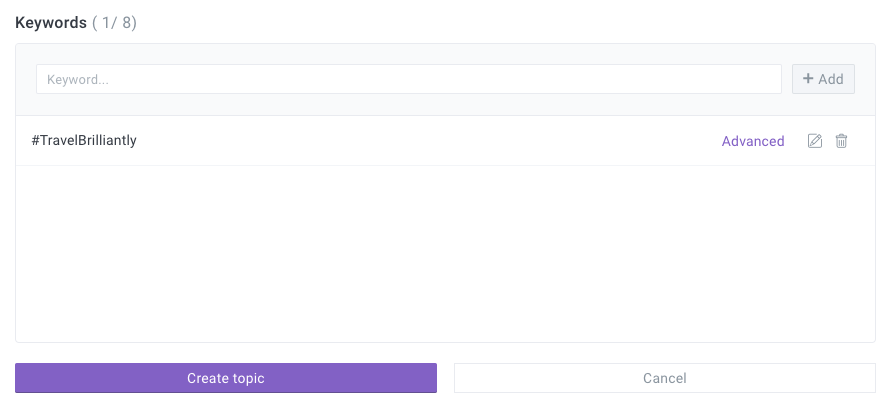
    To track campaigns, you would simply plug the hashtag into a social media monitoring tool:
    unamo social media hashtag monitoring

    The result? You’ll see all public mentions using your hashtag. What might be rather surprising is that these hashtags don’t seem to get much traction. For example, citizenM’s namesake hashtag appeared in 18 mentions over the last month.

    The Algonquin Hotel’s #algonquincat hashtag only appeared in 8 mentions last month. Granted, the hashtag only applies to posts about the Algonquin Hotel’s famous live-in cat, Hamlet, and the hotel’s social media strategy that casts Hamlet as a mascot.

    And while #TravelBrilliantly did well in comparison with 254 mentions, most were made by the Marriott themselves.

    marriott travel brilliantly social media campaign

    That’s why it’s a good idea to use popular hashtags alongside your branded hashtags. Using popular hashtags will give you the reach you need to get your message in front of a bigger, more influential audience.

    Tip 2 – Use Popular Hashtags to Increase Hotel Social Media Reach

    The hardest part here is identifying which hashtags are popular. Simple hashtags like #hotel and #travel tend to be popular and get a lot of traction. For example, while #TravelBrilliantly had only 254 mentions, #hotel had almost 28,000 mentions over the course of one month.

    monitoring #hotel unamo social media

    Other popular hashtags used in mentions with #hotel include #travel, #vacation, and #luxury. All are good choices for a hotel social media strategy for Instagram.

    best hotel social media hashtags

    Other popular hashtags for hotel social media strategies include:

    • Location-based Hashtags ( #paris, #nyc)
    • Other Hotel-based Hashtags (#hotellife, #hotelroom)
    • Travel Hashtags (#traveller, #travelblogger)
    • General Use Instagram Hashtags (#love, #instagood, #beautiful)
    • Object-based Hashtags (#coffee, #champagne)

    So, a post with both branded and popular hashtags would have a string of hashtags that looked something like this:

    #citizenM #london #hotellife #hotel #travel #linstagood #beautiful #campagne #lovelondon

    citizenM hotel hashtags on instagram

    Tip 3 – Identify Influencers for Content and Popular Hashtags

    One way to track down popular hashtags for your hotel social media strategy is to check out what the influencers are using. You can do that by finding influencers already using your dedicated hashtags. Plus, it’s not a bad idea to check out the accounts of the top travel and hotel brands.

    For example, the top influencer using the #TravelBrilliantly hashtag is Instagrammer lavivienyc, who also happens to rank as a top influencer for #hotel.

    influencer hotel social media strategy

    Here’s the post from above on Instagram:

    instagram influencers for hotel social media marketing

    Notice the use of branded hashtags for both the Sheraton and Marriott hotels. Plus, there are several location-based hashtags (e.g., #hawaii) and some general travel hashtags, such as #travelblogger and #travelmore.

    Once you’ve mined the post for popular hashtags, you might want to consider posts like the one above as perfect for user-generated content that you can share and promote across your social channels. And once you’ve done that, you may even consider reaching out to an Instagram influencer like lavivienyc to further promote your brand as a part of your hotel social media strategy.

    Remember, Instagram users are some of the most engaged social media users – 10x more than Facebook users for example. And many people are now choosing destinations only to recreate images they find on Instagram.

    Connecting with an influencer who acts as a brand ambassador for your hotel could result in a ripple effect. Other Instagrammers will book your hotel hoping to capture the same images and luxurious experience as the influencers they follow. And yet others will book thanks to them. That’s why influencer marketing is one of the best hotel social media strategies.

    finding influencers for hotel social media strategies

    Pro Tip: Let’s say you decide to find an Instagram influencer for your hotel. How do you choose a great brand ambassador? The key is to look beyond the number of followers. Instead, choose influencers who are well suited to your brand and have a highly engaged following.

    Making sure your social media monitoring keywords render the perfect results is difficult. Find out how to refine your searches for more relevant results. Read our guide: Boolean Search Operators for Social Media Monitoring

    Conclusion

    The thing to remember as a hotelier is that taking a customer from daydreaming to booking is all about well-positioned content and timing. That’s why it’s important to have a well-crafted hotel social media strategy.

    Plus, the only way to beat the big boys who dominate Google Ads and the search results is to make yourself known. Create blog content that outranks your competitors. Create a social media marketing strategy for hotels that takes that content to guests when they need it most.

    Do these things and you’ll find that you’re well on your way to turning your hotel into a destination all by itself.

  • 5 Ways to Make More Money on YouTube

    5 Ways to Make More Money on YouTube

    There’s lots of money to be made on YouTube if you take the right steps.

    While Google Adsense is definitely a great starting point, there are other ways to diversify the way you monetize your YouTube channel.

    In this article we’ll go over the ways you can make money from YouTube. Before we begin though, here’s a primer on Adsense along with pros and cons of using it.

    Google Adsense & YouTube Monetization

    YouTube offers their Partner Program, which allows you to monetize your videos through ads. To become a partner, you must apply through the Creator Studio section of your YouTube account under ‘Channel’ and then ‘Monetization’.

    You will also require a Google Adsense account for payment and a minimum of 10,000 total views to be eligible.

    Adsense is an advertising network run by Google that helps publishers place targeted ads onto mediums such as YouTube videos. When a user clicks their ad, the publisher will be charged a certain amount in hopes that user will return a greater profit.

    As a content creator allowing ads to be placed onto your channel, you will paid through something called CPM (Cost per mileage). In this case, CPM is actually per 1,000 views and can be anywhere from $1-3 on average. This means if you were to receive 10,000 views on a monetized video, you could expect $10-$30 in ad revenue.

    Pros of using Adsense:

    • Passive income.
    • Great for YouTuber’s new to monetizing their channel
    • Easy and quick setup.

    Cons of using Adsense:

    • Lack of other revenue streams.
    • CPM varies and can require very high view count to be sustainable income.

    By all means use Adsense as a strategy to monetize your channel, but if you want to approach it like a business, you need to diversify. Try out at least one of the following ways to make more money from YouTube and you’ll see a healthy jump in revenue.

    YouTube Merchandise

    Never forget that you have a brand that people follow and support. You’ll be very surprised at how many people will be willing to pay you for branded merchandise to show off as a fan. This is a route many YouTuber’s take that can generate high amounts of revenue depending on your subscriber base.

    So, what exactly should you sell? Here are some ideas:

    • T-shirts
    • Hoodies
    • Hats
    • Bags

    Luckily for you there are many companies like Printful that will print your designs on products like these and ship them around the world.

    youtube merchandise monetization

    You can create graphics using Photoshop or Gimp (which are free) and upload them to their website. When you receive an order you simply plug in your customers information, choose the right product and design then it’s shipped away.

    If you’d like to work more intimately with a design company, search for local ones and pitch them your idea. You can hold onto bulk orders of merchandise and ship it to subscribers yourself, which they’ll deeply appreciate.

    We recommend that you use a storefront such as Shopify or Shoplo to start selling. Both require a monthly subscription but give you an online store capable of taking payments, creating blog posts, and much more. WordPress and Woocommerce, are free but will require you to pay for web hosting.

    You should also go through YouTube’s official guide on creating merchandise for your channel.

    Affiliate Marketing on YouTube

    youtube affiliate marketing

    One of the most effective ways to generate passive income through YouTube is by using affiliate marketing. This is a simple business model that involves you promoting another business’ products for commission.

    You don’t have to worry about shipping, tracking numbers, inventory and all of the other responsibilities. Once you refer a customer, you get paid and don’t have to worry about anything else. It’s YouTube channel monetization made easy.

    If you visit many of the top YouTuber’s like Casey Neistat, you’ll notice that they place affiliate links in their video descriptions. Normally these are links to the gear they use themselves which they make some very nice commissions from.

    youtube video product placement

    There’s no better affiliate marketing program to begin with than Amazon’s. You can sign up and start promoting any products you want through YouTube and your other social media profiles. If you have a website as well, add links to content but make sure that it’s relevant.

    You don’t have just stick to Amazon though, there are endless affiliate programs that you can use to make money from your YouTube videos. To find some, visit Google and enter searches such as:

    • Keyword + affiliate program
    • Keyword + affiliate network
    • Keyword + become an affiliate

    Enter any keywords that are related to the kinds of videos you make. Check out a few different programs and apply to them. They should display their commission rate and what products you’ll be promoting. Once you get accepted, add some affiliate links to your videos and you’ll have another avenue from which you can make money off of your YouTube videos!

    Writing E-books

    Promoting other people’s products is cool and all, but nothing is better than creating your own. It can often be daunting to think about developing something yourself, but it’s actually pretty simple.

    The best place to start is by writing an e-book because it has no upfront costs and knowledge never goes out of style. You’re bound to be an expert on at least one topic, so consider what you’re good at and how you can turn that into a book. Most importantly, brainstorm what books your audience would actually enjoy.

    If you make videos on digital marketing for example, you could create e-books around:

    These are just some basic ideas of course but the point is to make it useful for your viewers. Of course you need a medium to sell your books which is why we recommend signing up for Amazon’s Kindle program. For no upfront costs you can upload your e-books to Amazon for Kindle users to purchase and you get up to 70% royalties.

    Once the book is live, let your subscribers know that you’ve published a new book they may enjoy and give them the link.

    Creating a Dropshipping Business

    youtube dropshipping to increase monetization

    If you’ve dabbled in internet marketing even for a little bit, you’ve definitely come across dropshipping. It has been all the craze within the past couple of years but for good reason.

    It’s a low risk and high reward business model that’s perfect for beginners. You list a wholesalers products on an online store such as Shopify and fulfill the order through the supplier once a customer pays you. Normally it will take place as such:

    • You add the suppliers products to your online store.
    • A user purchases from you through a payment gateway such as PayPal.
    • You order through the supplier and they ship it to the customers address.
    • You’re left with the remaining profit.

    Either you will manually mark up the price or you’ll be given a special discount code when you order through the supplier. With a solid YouTube channel like yours, you can expect to make some steady sales.

    I highly suggest that you begin sourcing products from Aliexpress since you can begin instantly and there are great profit margins to be made. If you happen to use Shopify, there’s an app called Oberlo that will save you tons of time by bulk importing products. They also have a great amount of documentation on dropshipping to get you started.

    If you want to find domestic wholesalers, search Google for:

    • Keyword + wholesaler
    • Keyword + dropship
    • Keyword + resell

    Reach out to any you find through email or phone explaining you’re a new business looking to source products. It’s wise to mention that you have an established YouTube channel and social media profiles, so you just need products to begin. You should get plenty of responses doing so and they’ll assist you in getting started.

    Become a middleman by marketing these products on your YouTube videos and channels you’ll begin to see even more profits from your YouTube activity.

    Selling Courses

    Everyone can teach something. Sure an e-book might get the point across, but a course gives users much more knowledge, practice and experience.

    To create an online course you don’t have to be the best teacher in the world either. You just have to think of what your subscribers would like to learn, map out the steps and format it.

    You’re a YouTuber after all, so why not teach them how to grow a channel or edit videos perhaps? Feel free to create courses on anything you’re passionate about that intertwines with your content.

    I’d highly recommend that if you go this route you invest in a WordPress website and installing Woocommerce. There are free plugins such as LearnPress, CoursePress and many others that will turn your website into an online school. You will be able to create courses, assignments, quizzes, and everything your students need to learn.

    If you want to bootstrap your adventure into creating courses, give Udemy a try. It is a free platform in which you can upload courses to earn money. If you refer a student through your channel, you get all of the profits.

    For the users that search Udemy and stumble upon your course, you’ll earn 50% of the price you set the course at. Not bad seeing as you’re getting free exposure through their platform.

    That wraps up our article on 5 ways to monetize your YouTube channel. What have you found to be the most effective way of making money from YouTube?